






Insight Guides To Explore Kuala Lumpur – Everything You Need To Know

Kuala Lumpur – Where Skyscrapers Meet Rainforests

Kuala Lumpur’s view, displaying the city skyscrapers interspersed with dense patches of greenery
About Kuala Lumpur
Malaysia’s melting-pot capital
Kuala Lumpur doesn’t do quiet contrasts; it does loud ones, and does them brilliantly. Glass towers rise beside century-old shophouses, the call to prayer drifts over food courts serving dim sum and banana leaf rice within the same block, and a patch of untouched rainforest sits a five-minute walk from the country’s tallest buildings. Born as a tin-mining outpost at the meeting point of two rivers, KL has grown into one of Asia’s most genuinely multicultural capitals, where Malay, Chinese, Indian, and indigenous influences shape everything from the skyline to the street food stalls. Most travellers pass through on their way to Borneo or the islands, but stay two or three days, and it’s easy to see why so many end up wishing they’d planned for more.
Best Time to Visit
The Malaysian’s capital
Sitting close to the equator, KL runs warm and humid all year, with daytime temperatures hovering around 32-34°C (90-93°F) no matter the season. Rather than chasing a “perfect” month, plan around the rain. June to August is the driest, most reliable stretch for sightseeing on foot. March to May and September to November bring short, sharp afternoon downpours rather than washed-out days, and December is the wettest month overall, though showers rarely linger long enough to derail your plans. Mornings are consistently the most comfortable window for anything outdoors, before the heat and humidity build.
Bottom line: June to August delivers the best odds of dry, walkable days, but KL works year-round if you build in some flexibility.

Currency
MYR
Malaysia’s currency is the Ringgit (MYR, written RM). Cards are widely accepted across malls, hotels, and restaurants, and a growing number of hawker stalls now take contactless payment too, though small cash is still your best friend for street food, markets, and public transport top-ups. Locals lean heavily on e-wallets like Touch ‘n Go, GrabPay, and Boost, and the Touch ‘n Go card doubles as your transit pass. ATMs are everywhere downtown, and money changers in Bukit Bintang and Chinatown typically beat the airport rates.
How to Get to
the KL city
Most international arrivals land at Kuala Lumpur International Airport (KLIA) or its budget-carrier twin, KLIA2, both about an hour from the city centre. The KLIA Ekspres train is the fastest way in, covering the distance to KL Sentral in around 28 minutes; airport buses take longer but cost a fraction of the price. Grab is the go-to for airport transfers and almost always beats a metered taxi on price and hassle. KL also sits at the heart of Peninsular Malaysia’s rail network, high-speed ETS trains connect it to Ipoh and Penang, while overnight buses and trains link onward to Singapore and Thailand for anyone stitching together a longer regional route.

Getting Around
Transportation in KL
KL’s public transport network covers far more ground than most first-timers expect, weaving LRT, MRT, monorail, and KTM Komuter lines through the city’s key attractions. Pick up a rechargeable Touch ‘n Go card on day one, it works across nearly the entire system. The Monorail is your best friend for reaching Bukit Bintang, while the MRT and LRT lines make quick work of KLCC, Chinatown, and the suburbs beyond. Walking is easy within a single neighbourhood, but the heat and patchy footpaths make trains or Grab the smarter call for longer hops. Grab is cheap, dependable, and the default choice after dark or in areas the trains don’t quite reach, traditional taxis exist, but expect to negotiate the fare if the meter stays off.
Budget and Cost
What to expect to spend
Kuala Lumpur ranks among the best-value capitals in Southeast Asia, with costs varying significantly depending on your travel style. Budget travellers can comfortably get by on RM120-180 (about USD 25-40) a day, covering hostel beds, hawker meals, and public transport. Mid-range travel, a solid hotel, sit-down meals, and the occasional Grab ride run closer to RM300-500 (USD 65-110) a day. Push into luxury territory with five-star hotels and fine dining, and daily spend can climb past RM800 (USD 170). Food is where KL truly over-delivers: a full hawker meal costs as little as RM8-15 (USD 2-3), while mid-range restaurants run RM40-80 per person. Attractions are generally light on the wallet too, with the Petronas Towers Skybridge (RM145-199 depending on package) standing out as the one notable splurge on an otherwise budget-friendly list.
Where to Stay
In the capital city
Bukit Bintang is the natural first-timer’s base, malls, street food, and nightlife all within walking distance, plus easy monorail access. KLCC suits travellers chasing a quieter, more polished stay near the Petronas Towers and its surrounding park. Chinatown, centred on Petaling Street, delivers a grittier, more budget-friendly stay with heritage sights and some of the city’s best cheap eats right outside your door. For a calmer pace with strong transport links, Bangsar or KL Sentral are worth a look, especially for longer stays or an easy airport run. Book ahead around Chinese New Year or Hari Raya, when both prices and demand spike hard.

Why Kuala Lumpur
Belongs on Your Map
Kuala Lumpur is where Southeast Asia’s contrasts feel effortless rather than jarring. One afternoon you’re craning your neck at the Petronas Towers; the next morning you’re standing in genuine rainforest, ten minutes from your hotel. The food alone justifies the trip: banana leaf rice, dim sum, and satay all within a few city blocks, usually for a few dollars a plate. Add gilded temples, a walkable old town, and some of the best value in the region, and KL earns its place as far more than a layover between Borneo and the beach. Give it two or three days and it’s easy to see why so many travellers end up extending their stay.
Here’s the definitive guide to Kuala Lumpur, built for travellers who want more than the Petronas Towers photo stop. From rooftop bars to rainforest parks hidden in the city centre, these are the experiences worth building a trip around.
Top Things to Do
In Kuala Lumpur
Ride the Skybridge and Observation Deck at the Petronas Towers
The city’s defining image up close: a double-decker Skybridge linking the twin towers at the 41st and 42nd floors, followed by the 86th-floor Observation Deck with floor-to-ceiling glass walls and 360-degree views across KL. Interactive displays along the way cover the towers’ construction and cultural symbolism, and the deck is especially striking at dusk as the city lights come on. Foreign visitors pay RM98 for the combined Skybridge and Observation Deck ticket (RM50 for children aged 2–12 and seniors), and tickets are capped daily by time slot and often sell out days in advance, so book directly through the official website rather than risking a walk-up visit.

Climb the Steps at Batu Caves
A short train ride out, Batu Caves is a limestone hill turned Hindu shrine, reached via 272 rainbow-painted steps guarded by a towering 42-metre golden statue of Lord Murugan, one of the tallest statues of a Hindu deity anywhere in the world. Macaques patrol the stairway (best not to carry visible food), and the main Temple Cave at the top, free to enter, holds a working Subramaniam shrine set inside a cave estimated at 400 million years old. Two smaller show caves near the base charge a small optional fee for anyone wanting to make a longer visit of it — RM15 for the Cave Villa and RM5 for the Ramayana Cave, both cash only. Time your trip for Thaipusam in late January or early February and you’ll catch the site at its most dramatic, when hundreds of thousands of pilgrims converge for the festival.
Wander Kuala Lumpur Forest Eco Park (Bukit Nanas)
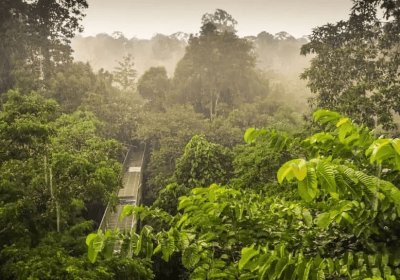
Right behind the KL Tower sits a genuine pocket of primary rainforest — one of Malaysia’s oldest gazetted forest reserves, dating to 1906 — threaded by a canopy walkway with skyscrapers visible through the gaps in the tree cover. Trails range from an easy loop near the entrance to longer paths deeper into the reserve, and silvered leaf monkeys and long-tailed macaques are a regular sight. Entry runs RM40 for foreign adults (RM5 for children), paid in cash at the gate — a price that draws the occasional grumble from visitors expecting a free city park, though few cities let you stand in untouched jungle five minutes from a shopping mall at any price.

Eat Your Way Down Jalan Alor
This night food street in the heart of Bukit Bintang is hawker culture at full volume: grilled seafood, satay, char kway teow, and fresh juices spilling out onto the pavement after dark, with plastic stools and folding tables doing double duty as seating. There’s no cost to simply walk through and browse, and most dishes run RM10–20, with turnover fast enough that everything on the grill is genuinely fresh. Arrive hungry and skip the over-planning — just follow whatever smells best.
Explore Central Market and the Surrounding Heritage Streets
Housed in a striking pastel-blue Art Deco building dating to 1888, Central Market is free to wander and the pick for handicrafts, batik, and souvenirs, with air-conditioned comfort as a bonus during the midday heat. The surrounding streets hold some of the city’s oldest architecture, and the market sits within easy walking distance of both Chinatown and Merdeka Square, making it a natural midpoint for a half-day of heritage sightseeing.

Stand in Merdeka Square, Where Independence Was Declared
This grassy square, ringed by mock-Tudor and Moorish-style colonial buildings, is where Malaysia declared independence from British rule on 31 August 1957. It’s a public space with no ticketing of any kind, and the Sultan Abdul Samad Building’s copper domes make it one of the most photographed corners of the old city, especially at sunset when the building’s floodlights come on.
Browse Petaling Street Market in Chinatown
The covered market street at the heart of KL’s Chinatown is dense with clothing stalls, street food, and souvenirs, free to enter, though haggling is expected on anything without a marked price. The surrounding lanes hide some genuinely excellent, unpretentious Chinese and Malaysian cooking a few steps off the main strip.

Visit the Islamic Arts Museum Malaysia
One of the finest Islamic art collections in Southeast Asia, spanning 12 galleries of manuscripts, ceramics, textiles, arms and armour, and architectural models from across the Islamic world, including a scale model of the Taj Mahal. Admission is RM20 for adults and RM10 for students and seniors, a rate that applies equally to Malaysians and foreigners alike, making it one of the few paid attractions in the city with no separate tourist price. It’s a quieter, more contemplative stop right next to the National Mosque.

Step Inside the National Mosque (Masjid Negara)
Its 18-point star-shaped roof symbolises Malaysia’s 13 states and the five pillars of Islam, and the mosque’s clean, modernist lines make it one of the more architecturally striking religious buildings in the city. Entry is free, and it’s open to non-Muslim visitors outside prayer times, with robes provided at no charge for anyone needing more modest dress.
Watch the KLCC Park Fountain Show
After dark, the landscaped park beneath the Petronas Towers puts on a free choreographed fountain and light show with the illuminated towers as backdrop, running on a loop most evenings. It costs nothing to watch from the surrounding lawn, and it’s arguably the best free photo angle on the towers in the whole city.

Ride the Heli Lounge Bar’s Rooftop Helipad
For a different angle on the skyline, this working helipad-turned-bar sits atop a Bukit Bintang tower with unbroken 360-degree views, including a head-on look at the Petronas Towers. There’s no formal entrance ticket, though a minimum spend on drinks applies during peak evening hours, not cheap by local standards, but the view earns it.
Shop and Snack at Pavilion Kuala Lumpur
One of the city’s most polished malls, mixing international brands with a strong basement food court and rooftop dining, free to browse, and a welcome, air-conditioned pause between sightseeing stops.

Sample Nyonya and Peranakan Cuisine
KL’s Peranakan restaurants serve a fusion cuisine unlike anything else in the region, blending Chinese and Malay techniques into dishes like laksa, ayam pongteh, and kuih. There’s no entry fee to worry about here, just a meal, expect to pay RM30-60 per person at a proper sit-down Nyonya kitchen rather than a general food court.
Explore Little India in Brickfields
Near KL Sentral, Brickfields is free to wander and packed with spice shops, garland stalls, and South Indian restaurants serving banana leaf rice and dosa, especially vivid during Deepavali, when the streets glow with lights and the neighbourhood stays open late into the evening.

Take a Day Trip to the Cameron Highlands
A few hours outside the city, cool-climate tea plantations and strawberry farms offer a striking break from KL’s tropical heat, with temperatures dropping to a genuinely chilly 15–20°C at elevation. The region itself has no single entry fee, though individual tea estate tours, strawberry farms, and butterfly gardens each charge their own small admission, typically RM5–15. Doable as a long day trip, better as an overnight for anyone with the time.
Visit Thean Hou Temple
One of Southeast Asia’s largest Chinese temples, its six tiers, multi-tiered roof, and hundreds of red lanterns make it a standout photo stop, never more so than during Chinese New Year, when the whole site is strung with lights after dark. Entry and the temple grounds are free, though donations toward its upkeep are welcomed.

Ride the KL Tower’s Sky Deck
A quieter alternative to the Petronas Towers, with an enclosed Observation Deck at 276 metres and an open-air Sky Deck higher still at 421 metres, plus a glass-floored Sky Box that extends out past the tower’s edge for anyone chasing the adrenaline shot. Foreign visitors currently pay RM80 for the Observation Deck alone, or RM140 for the Sky Deck combo ticket that includes Observation Deck access, prices that rose noticeably under new management in 2025, so it’s worth checking the current rate before you go. A small animal zoo and revolving restaurant sit at the base for families or anyone planning a sunset dinner with a view.
Wander Publika and TRX for a Different Side of KL
Publika brings an independent arts-and-retail scene with rotating exhibitions and serious café culture, while the newer Tun Razak Exchange (TRX) shows off the city’s latest wave of high-rise development, with a large public park at its centre. Both are free to wander, with cost only attached to whatever you buy inside.

Take a Day Trip to Genting Highlands
A cable car ride into the clouds delivers you to a hilltop resort town with casinos, theme park thrills, and noticeably cooler air thanks to its elevation, a popular day or overnight escape from the city heat. There’s no entry fee to the resort area itself, and the standard gondola ride up costs around RM10 one-way, the same price for every nationality (glass-floor gondolas cost more).
Escape to Zoo Negara or Aquaria KLCC
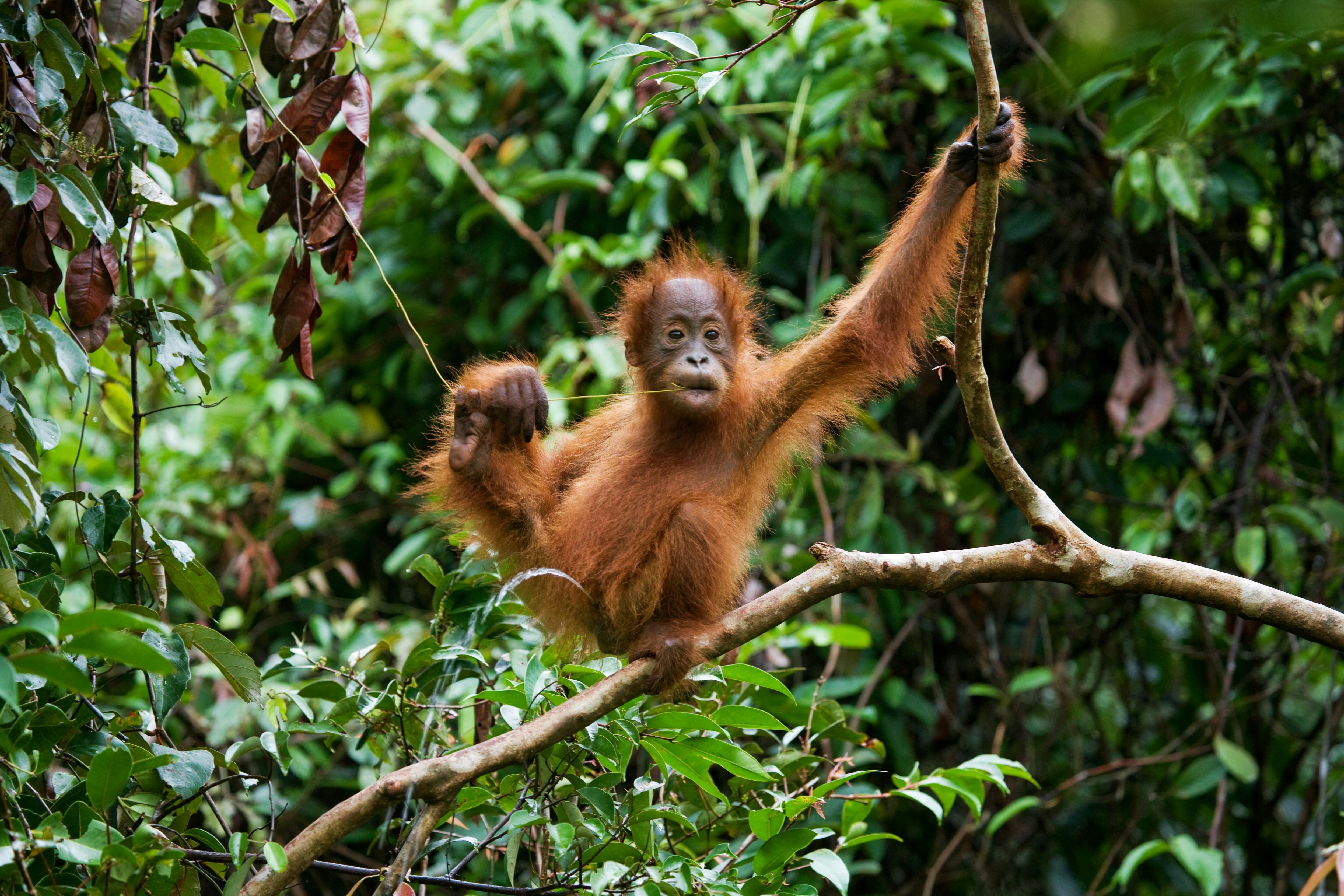
Short on time for Borneo’s rainforests? Zoo Negara – home to more than 5,000 animals across 450-plus species, including a Giant Panda Conservation Centre – charges foreign adults around RM85, while the underground Aquaria KLCC, with its 90-metre walk-through tunnel and resident sharks and rays, charges foreign adults RM50. Either offers a solid taste of Malaysian biodiversity without leaving the city.

Catch a Sunset at Titiwangsa Lake Gardens
Quieter and more local than the main tourist circuit, this lakeside park is free to enter and offers paddleboats, walking paths, and skyline views across the water – the perfect spot to slow down after a few busier sightseeing days, with paddleboat rental the only small on-site cost.
Sample Street Food at Chow Kit Market
Grittier and less polished than Jalan Alor, Chow Kit is where locals actually shop, a sprawling wet market by day and street food stalls by night, free to enter and offering an unfiltered look at how the city really eats.

Stay Safe
in downtown KL
KL is generally safe for travellers, with petty theft, bag snatching, pickpocketing in crowded markets, a bigger concern than violent crime. Keep bags zipped and close in busy spots like Chinatown and Bukit Bintang, and stick to registered taxis or Grab rather than unmarked cars late at night. Tap water is treated but most people stick to bottled or filtered anyway. Heat and humidity are the bigger day-to-day factor: pace outdoor plans around the cooler mornings and evenings, and keep water on hand. Traffic is heavy and pavements inconsistent in places, so cross at marked crossings and stay alert for motorcycles weaving through slow-moving traffic.